
Every child deserves to feel safe, valued, and respected at school. Unfortunately, bullying in schools continues to be a challenge that affects not only the victims but the entire learning environment. Understanding how to handle bullying and nurture empathy among students is essential for building a positive, inclusive classroom culture. The Best CBSE School in Mangalore believes that education should shape both the mind and the heart and this begins with empathy and respect.
1. What Is Bullying in Schools?
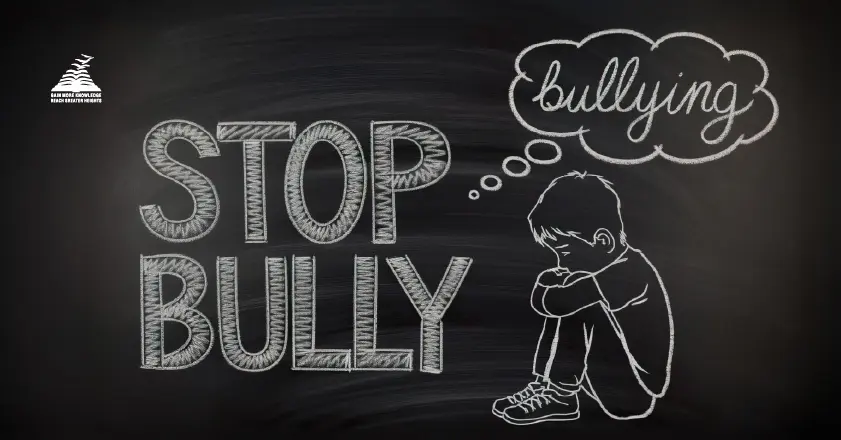
Bullying in schools refers to repeated, intentional aggressive behaviour that aims to harm, intimidate, or control another student. It can take many forms physical (hitting or pushing), verbal (name-calling or teasing), social (spreading rumours or exclusion), or digital (cyberbullying through online platforms). Unlike harmless conflicts, bullying involves an imbalance of power where the victim struggles to defend themselves. It not only affects a student’s emotional and physical well-being but also disrupts the learning environment. Addressing bullying early helps foster empathy, respect, and a culture of safety in schools.
2. Understanding What Constitutes Bullying
Before addressing the issue, it’s important to understand what bullying really is. It can take many forms verbal, physical, social, or emotional. From teasing and exclusion to online harassment, every form of bullying can have lasting emotional effects. Teachers, students, and parents must be aware of the definition of bullying so that harmful behaviours are not dismissed as “just a joke.” Recognizing these actions early helps schools create an environment where everyone feels safe and supported.
3. Creating a Safe and Inclusive Classroom Environment
A classroom should always be a safe space a place where students learn without fear. Establishing trust is the first step toward safety. Teachers can build inclusivity by encouraging teamwork, valuing diversity, and promoting respect for differences. Simple practices like assigning group tasks that mix students from different backgrounds foster cooperation and empathy. The CBSE schools in Mangalore often emphasize creating inclusive spaces that celebrate every child’s individuality, ensuring that no one feels left out or judged.
4. The Role of Teachers in Early Intervention
Teachers are often the first to notice subtle signs of distress among students. A sudden drop in participation, isolation, or visible anxiety could indicate that a child is being bullied. The role of teachers in early intervention is vital they must act promptly, sensitively, and confidentially. Rather than punishing immediately, teachers should listen to both sides, understand the context, and find solutions that heal rather than divide. Many anti-bullying programs now train educators to identify and manage such situations effectively, helping students rebuild trust and confidence.
5. Encouraging Open Communication
A culture of openness ensures that students feel comfortable speaking up. Schools must encourage honest communication where children can report problems without fear of retaliation. This can be done through counselling sessions, anonymous feedback boxes, or simple class discussions about kindness and respect. When students know they will be heard and supported, they are more likely to share their concerns early allowing schools to stop bullying before it escalates.
6. Teaching Empathy Through Everyday Interactions
Empathy is the opposite of bullying. When students learn to understand and respect others’ feelings, they naturally become kinder and more inclusive. Teachers can build empathy through role-playing, storytelling, and classroom reflections. For instance, asking students to imagine how someone might feel in a difficult situation helps them develop perspective. The Top CBSE schools in Mangalore include empathy-building exercises as part of their curriculum to help students grow into compassionate individuals who value relationships as much as achievements.
7. Building Emotional Intelligence in Students
Emotional intelligence (EQ) is one of the strongest shields against bullying. When students can identify their emotions and respond calmly, they’re less likely to lash out or react aggressively. Activities that focus on self-awareness, communication, and teamwork can significantly improve emotional maturity. The good schools in Mangalore regularly conduct life skills sessions to help children recognize emotions both their own and others’. Such practices build compassion, patience, and cooperation, fostering a healthier school community.
8. Implementing Anti-Bullying Policies and Programs
Schools must take a structured approach to tackle bullying effectively. A clear anti-bullying program ensures everyone understands what behaviour is unacceptable and what actions will be taken against it. Awareness campaigns, school assemblies, and student-led committees can all contribute to a zero-tolerance policy toward bullying. The Top CBSE schools in Mangalore often have dedicated counsellors and peer mentoring systems that promote accountability and reinforce positive student behaviour. These programs not only prevent bullying but also empower students to become allies in creating a safe school culture.
9. Empowering Bystanders to Act
Bystanders’ students who witness bullying play a crucial role in breaking the cycle. Often, fear or uncertainty prevents them from speaking up. Empowering them to take responsible action whether by comforting the victim, alerting a teacher, or intervening safely creates a strong network of support. Teaching children that silence can indirectly support bullying helps transform them from passive observers to active protectors. This collective accountability helps ensure that every child contributes to a safe and respectful classroom.
10. Collaborating with Parents and Counsellors
Handling bullying effectively requires teamwork between schools and families. When teachers, counsellors, and parents communicate regularly, children receive consistent support both at home and at school. Counsellors can help victims rebuild confidence, while parents can reinforce lessons about kindness and empathy at home. At the CBSE schools in Mangalore, parent workshops and counselling sessions are organized to raise awareness about the impacts of bullying and the importance of emotional well-being.
11. Celebrating Kindness and Inclusion
A proactive way to combat bullying is to reward positive behaviour. Recognizing students for acts of kindness, helpfulness, or cooperation promotes empathy and inclusion. Schools can celebrate “Kindness Week,” share student success stories, or display “Wall of Kindness” boards where good deeds are acknowledged. These gestures encourage students to take pride in being compassionate and inclusive, gradually shifting the culture toward positivity. In the top 10 schools in Mangalore, such initiatives have led to a more respectful and empathetic student community.